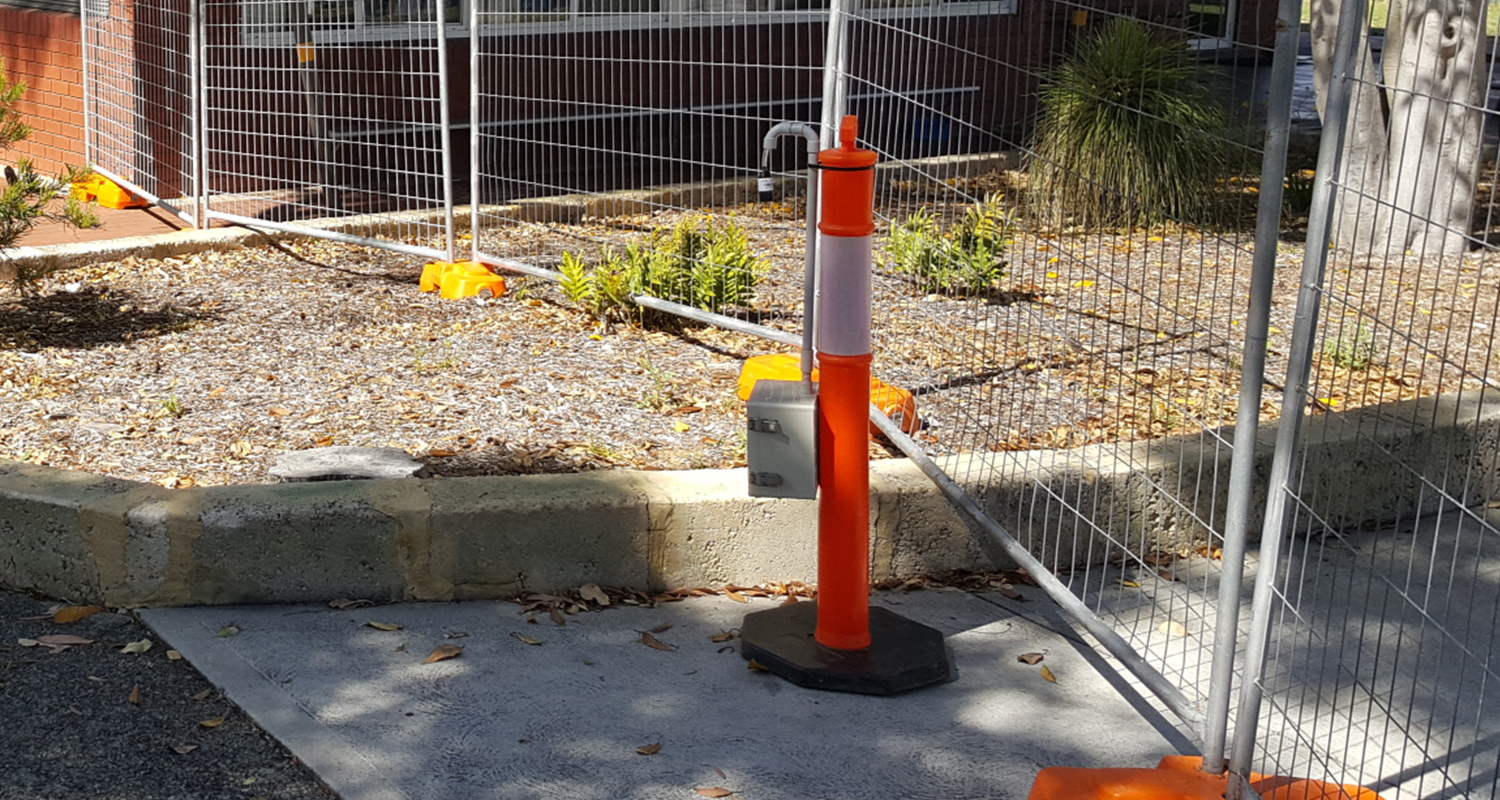
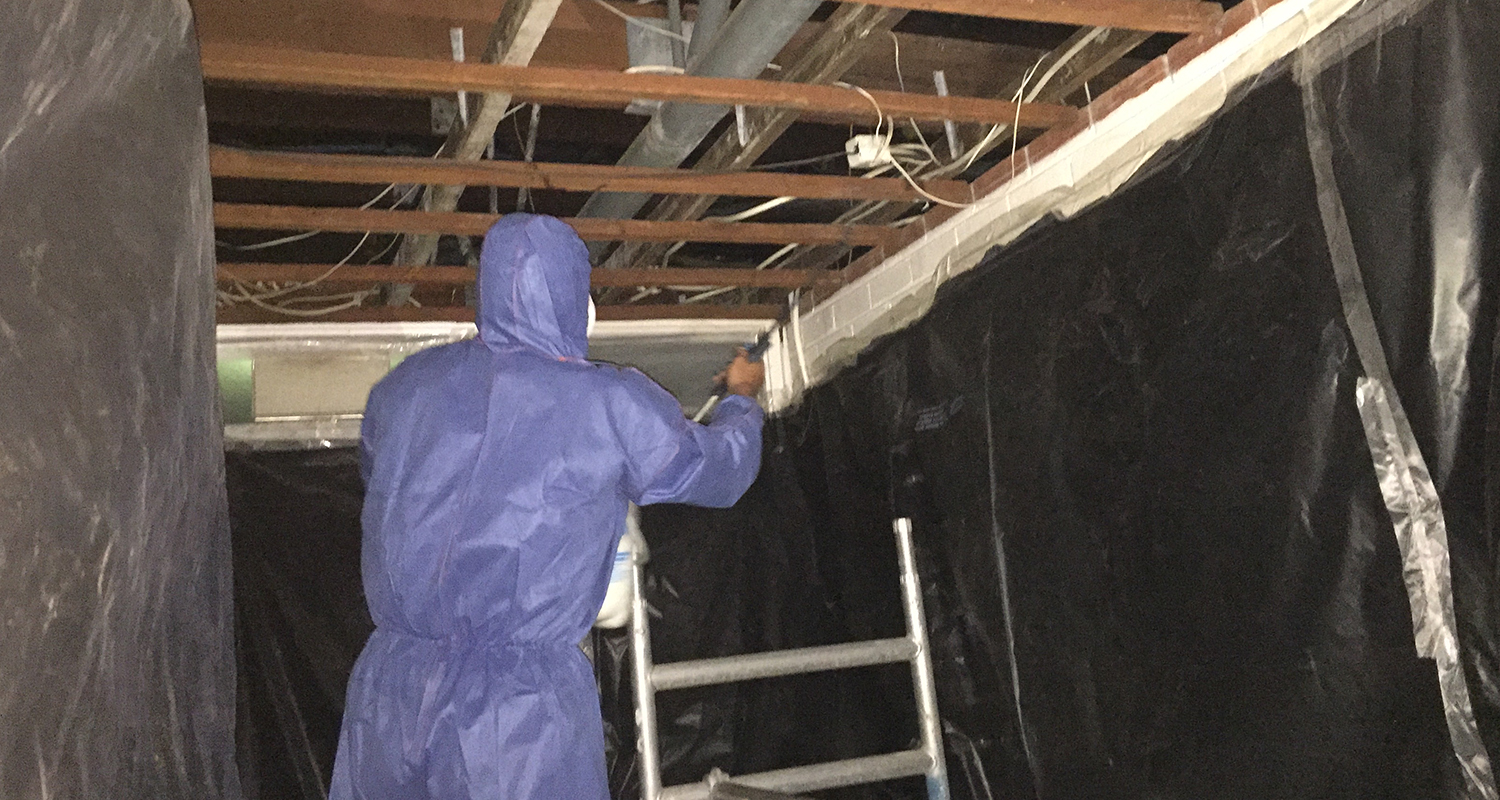
Asbestos air monitoring involves sampling of airborne fibres to assist in the risk assessment of exposure to asbestos. Environmental Site Services can tailor air monitoring requirements in accordance with the job scope, as well as the type, condition and location of ACM. Environmental Site Services offer four types of Airborne Fibre Monitoring, all carried out by Licensed Asbestos Assessors:
Common forms of exposures included persons working with or near weathered asbestos, or workers accidentally grinding, drilling, and removing products that contain asbestos or via inadequate removal practices. The presence of ACM products in a building may pose a risk to occupants and workers if not regularly checked and managed properly.
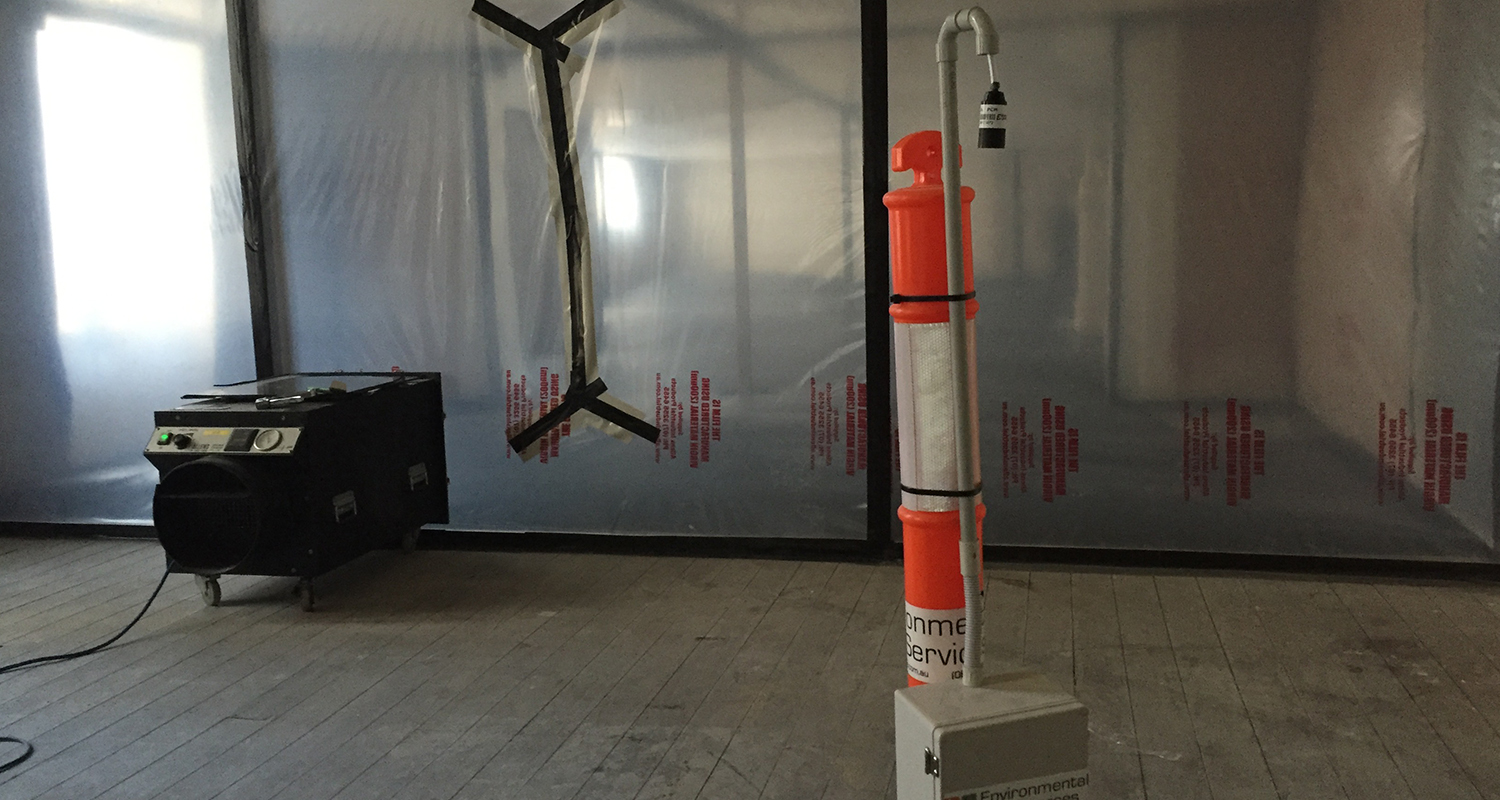
Control Airborne Fibre Monitoring (Asbestos Air Monitoring) outside of an asbestos removal enclosure during friable asbestos removal.
Clearance Airborne Fibre Monitoring (asbestos air monitoring) post asbestos removal works, ensures areas are safe for reoccupation
Asbestos is the fibrous form of mineral silicates belonging to the serpentine and amphibole groups of rock-forming minerals. There are many varieties of serpentine and amphibole minerals that are considered harmless, however a few exhibit specific properties that are collectively referred to as asbestos. The most common forms of asbestos used in Australia are crocidolite (blue amphibole asbestos), chrysotile (white serpentine asbestos) and amosite (brown amphibole asbestos).
The excellent fire resistance, insulating properties, durability, fibre strength and flexibility of asbestos minerals resulted in the manufacturing of over 3000 asbestos-containing products worldwide. These products ranged from household products including ovens and toasters to construction material and industrial products. In Australia, asbestos was extensively used in building and structures and other manufacturing between the 1950s to the 1970s. In Australia, the cement manufacturing industry was responsible for over 60% of all production and 90% of all consumption of asbestos fibre. Asbestos products were first phased out during the 1980s, with asbestos containing flat sheet first between 1981 and 1983, corrugated products such as fencing and roofing in 1985 and some friction and lining type products were in use until 2003. New materials containing asbestos are not to be manufactured, imported, or reused.
With the banning of asbestos in late 2003, the presence of asbestos containing products (ACM) is very common among various pre-1990 built forms including government buildings, residential properties, schools, hospitals, industrial and manufacturing products.
Despite this ban asbestos containing materials have been found to be incorrectly imported or reused and therefore, if any material is suspected of containing asbestos fibres, expert opinion should be sort and the material treated as asbestos until proven otherwise.
The vast majority of ACM products were used in construction. Generally, ACM will be found in two forms including friable and non-friable (bonded). Friable materials are more likely to release fibres which greatly increases the risk of exposure. Such products include textiles, papers, insulating products, spray on fire proofing, pipe lagging, ceiling tiles and woven gaskets. Non-friable (bonded) asbestos means the fibres are bonded within a matrix of other materials and due to this it has less chance of asbestos fibre release unless damaged or deteriorated. Such products include vinyl flooring products like tiles, sheets and adhesives, cement products like corrugated roof sheeting, fencing, flat wall cladding and bitumen products to name a few.
The health risks associated with asbestos are now widely known. Asbestos leads to the most serious category of occupational diseases. These diseases are not obscure workplace hazards linked to a fading industrial past, but rather a current hazard which in some cases is getting worse, particularly due to complacency.
Inhaling or ingesting asbestos fibres through the nose and mouth can result in fibres embedding themselves in the lungs, resulting in various health risks including Pleural Plaques, Asbestosis, Lung Cancer and Mesothelioma. These symptoms may appear as late as 25-40 years after the exposure to asbestos fibres.
The exposure standard for all types of asbestos is 0.1 fibres per millimetre of air (fibres/ml).
Contact Environmental Site Services to arrange your Asbestos Air Monitoring.
P: (08) 9355 4010 E: [email protected], or please fill out the form below and we will get in touch with you shortly.
"*" indicates required fields
Deep cycle batteries and solar panels to keep equipment operating autonomosuly
GPRS modem to keep you connected
Customisable automated reports to save you time and focus on what's important
Customisable SMS, email, audible and visual alerts
Cloud based servers to securely store your data

Occupational hygiene entails identifying, evaluating, and managing workplace environmental risks to health. Our services cater to diverse needs, crafting solutions for complex hygiene and safety challenges. Our expert staff collaborates with you to implement effective hygiene management systems, crucial for meeting site and legal standards.

We are a Licensed Asbestos Assessor (LAA) and provide hazardous material management to building owners, property developers and facility managers to meet specific client requirements including identification and risk assessment of hazardous materials, development of detailed hazardous material management plans and supervision of hazardous material remediation works.

Monitoring services are tailored to your needs, ranging from ENVSS staff attended monitoring to autonomous stations with remote telemetry and alerts. You can access real-time data, make informed decisions, and generate reports via our Client Portal. We understand industry demand and meet client expectations by building our equipment to be flexible, mobile, efficient, accurate and robust.

Our noise and vibration services cover both regulatory compliance and occupational health, with services ranging from noise monitoring, blast monitoring, earplug fit testing, human vibration testing and more. Our monitoring devices are set and forget with remote software, allowing us to capture a wealth of data spread over a timeline of your choosing.